


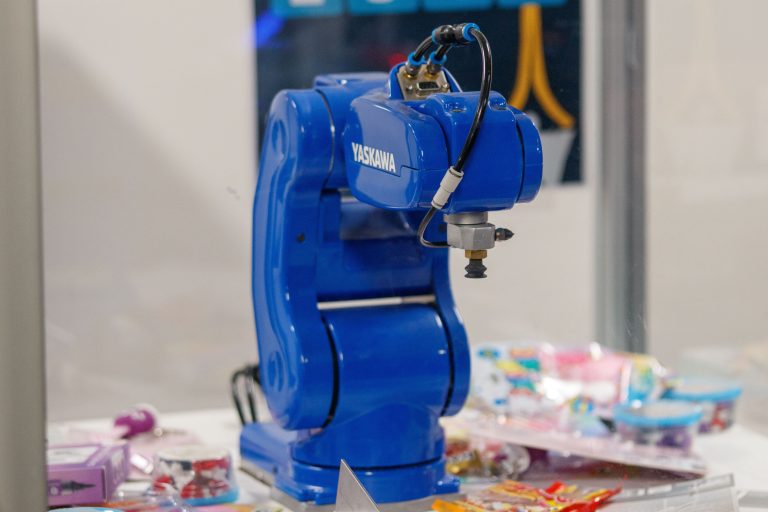
U.S. trade policies are prompting companies to reconsider their approach to importing robotics, shifting the focus beyond mere purchase price and performance to include complex factors like tariffs, supply chain vulnerability, and geopolitical risk.
This strategic re-evaluation is driven by the increasing awareness that a robot’s economic attractiveness today could be undermined by future restrictions on suppliers or components. Companies are now compelled to analyze the entire technology and supply chain stack, understanding not just what they are importing, but also its classification, applicable tariffs, component origins, data collection practices, and network connectivity.
This new landscape necessitates a more comprehensive risk analysis for robotics deployment. Companies must engage in scenario planning, considering potential tariff changes, supplier restrictions, or customer decisions to avoid foreign-made systems. Integrating this risk assessment into their overall robotics strategy is becoming a critical step before making significant investments.

Geopolitical Risk Influences Investment in Robotics
The evolving U.S. trade policies are significantly impacting investment strategies in the robotics sector. Investors are now scrutinizing companies based on their geopolitical and supply chain risk alongside traditional metrics like underlying technology, market potential, and economic viability.
Questions about the origin of critical components, manufacturing scalability, and geographical dependencies are now prominent in investment evaluations. The potential for trade policy shifts and the ability of a company’s technology to be deployed in sensitive environments are key considerations. This heightened focus on risk makes robotics an increasingly interesting investment category, given its growing importance to both economic competitiveness and national security.
One investor noted that companies can no longer view a robot solely on purchase price, performance, and availability. “They increasingly have to think about tariffs, supply chain exposure, component sourcing, cybersecurity, geopolitical risk and the possibility that today’s acceptable supplier could face new restrictions tomorrow,” the investor stated.
Domestic Component Base and Strategic National Robotics Roadmap
While U.S. trade policies aim to reshape Chinese robotics imports, the effectiveness of these measures hinges on developing a robust domestic component base and a coherent national robotics strategy. The current situation, characterized by pauses in imports, is seen as beneficial only if it spurs the creation of such a strategy, incorporating input from industry leaders.
Many U.S. robot manufacturers still depend on Chinese suppliers for essential components like actuators, motors, and magnets. This reliance means that near-term cost increases are also falling on domestic robot makers. The goal is not simply to replace Chinese robots with American ones, but to achieve a balance of competitive economics, reliable performance, and trustworthy supply chains.
The investor emphasized that policy changes are “a necessary move, but it isn’t a strategy on its own.” The need for a national robotics strategy with substantial industry input is highlighted as crucial for long-term success.
Commercial Traction Beyond Humanoid Robots
Beyond the public fascination with humanoid robots, meaningful commercial traction is being observed in purpose-built robots designed for dangerous, repetitive, or physically demanding tasks across various sectors. These sectors include logistics, manufacturing, defense, and healthcare.
The underlying commonality across these successful applications is an expensive problem that customers are willing to pay to solve, leading to repeat purchases after initial pilot programs and delivering clear economic outcomes. The focus remains on function-driven design rather than anthropomorphic appearance.
“To us, form follows function,” an investor explained. “Historically, we’ve built machines with a specific need in mind – usually to address something that humans either can’t or won’t do.”
The market is presented with two common misconceptions about robotics: underestimating them as merely expensive industrial machines, or overestimating the speed at which AI will enable fully autonomous physical systems. The reality is believed to lie in the integration of AI, sensing, computation, and robotics to operate in increasingly complex environments. However, commercialization still demands overcoming significant hurdles in reliability, safety, manufacturing, unit economics, and deployment.
Ultimately, the most promising robotics companies are those that quietly address difficult technical challenges and demonstrate customer willingness to pay for their solutions, thereby building important businesses rather than just showcasing impressive technology.