



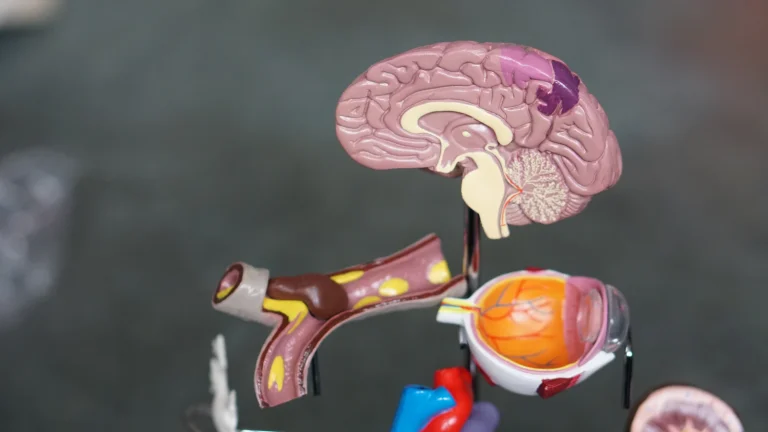
The study of how trauma leaves molecular marks in the brain examined post-mortem tissue from more than 300 donors, identifying patterns linked with post-traumatic stress disorder (PTSD), depression and trauma exposure. The findings describe associations in donated tissue; they do not establish what caused the differences or provide a diagnostic or treatment application. The Nature report on the study says the analysis appeared in Cell Reports on 20 November.
Researchers analyzed tissue and medical records from 101 people diagnosed with PTSD, 101 with depression and 100 control participants without a mental-health condition. They focused on DNA methylation, a process in which methyl groups are added to or removed from DNA sequences. Such chemical tags are epigenetic marks: they can affect how genes work without changing the DNA sequence itself.
The work examined more than 850,000 genomic regions in cells from the amygdala, hippocampus and prefrontal cortex. These regions are involved in emotion processing, memory and cognitive control, respectively. The research offers a view of brain tissue that earlier PTSD studies based on blood or saliva samples could not directly provide.

Trauma Leaves Molecular Patterns Across Brain Cells
In comparisons between the PTSD and control groups, the team found distinct methylation patterns in four DNA regions in the prefrontal cortex. It did not find those patterns in the amygdala or hippocampus. One gene affected by the methylation differences had not previously been linked to PTSD, although it has a key role in memory, the report says.
The findings varied by both brain region and cell type. In the amygdala, people with PTSD had significantly reduced levels of oligodendrocytes compared with controls. These cells create an insulating sheath around connections between neurons and help communication between them, according to the report.
The amygdala is central to fear responses. Study co-author Frances Champagne, a behavioral epigeneticist at the University of Texas at Austin, said the decrease in oligodendrocytes seen in PTSD appeared particularly linked to exposure to trauma during adulthood.
The analysis also compared donors by when they had experienced trauma. Among 58 people who had experienced trauma as adults, researchers observed reduced oligodendrocytes across all three brain regions. The pattern appeared regardless of whether those donors had been diagnosed with a disorder.
Researchers did not observe the same pattern in 97 donors who experienced childhood trauma. That contrast describes what the team saw in these samples. It does not show that adult trauma caused the cell differences, or that childhood trauma has no effects. The study analyzed donated post-mortem tissue and records, and the article reports an observed pattern rather than a clinical test.
Findings Add to Research on Brain and Mental Health
The study’s cell-level results add a different kind of evidence to research on trauma-related conditions. Alicia Smith, an Emory University epigenetics researcher who studies PTSD, called it “the most comprehensive look at cell type differences” in brain regions following a PTSD diagnosis.
Champagne said researchers want to understand what is happening in the brain, not only detect epigenetic marks in blood or saliva. The study’s examination of three brain regions and many genomic sites addresses that research question, while its observations remain tied to the donated samples.
The report places the findings alongside other work examining mental health and the brain. A separate study of depression and infant brain development also considers brain-related observations, though it addresses a different population and question. Readers can also see how researchers are studying people’s use of medical chatbots and how research teams assess emerging health questions.
Another report on the status of a published vaccine study illustrates a separate issue in research coverage: how evidence is evaluated. These articles concern different studies and do not add findings to the trauma analysis. The next step described in the Nature report is continued research into how trauma-related epigenetic patterns differ across brain regions and cell types.


