


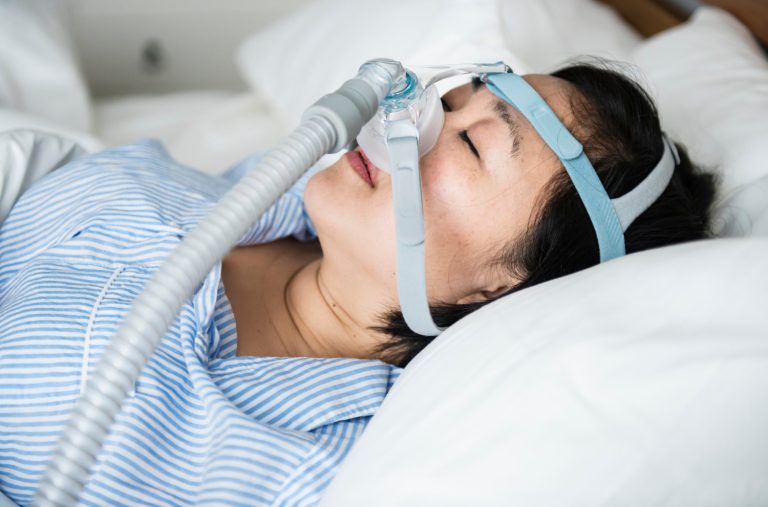
Many people feel tired despite having a full night’s sleep. For millions, this fatigue is caused by serious, often undiagnosed sleep apnea. To provide insights about this condition and its dynamic diagnostics market, we partnered with Premier Health Group, a multidisciplinary practice specializing in integrated patient care.
The Expanding Scope of Sleep Apnea
Obstructive sleep apnea (OSA) happens when the airway repeatedly becomes blocked during sleep, which interrupts breathing. Roughly 83.7 million adults in America had this sleep disorder in 2024. This number remains a major challenge, especially with projections indicating that it will affect 76.6 million adults between 30 and 69 years of age by 2050.
The Market Evolution From In-Lab Studies to At-Home Tech
In-lab polysomnography (PSG) is the gold standard. However, it has drawbacks for patients. You have to sleep in an unfamiliar lab and deal with high costs and long wait times. Home apnea tests (HSATs) changed the landscape. They can accurately identify OSA 90% of the time, and are less costly.
In 2026, many investors are interested in technologies that build on this convenience. Innovators are exploring AI platforms for faster data analysis and wearable sensors that simplify your screening process.
Navigating Your Path to a Sleep Apnea Diagnosis
The diagnosis and treatment process for OSA typically involves the following:
- Scheduling an appointment with a primary care physician
- Getting a referral to a specialist
- Waiting and scheduling an appointment at a sleep lab or diagnostic center
- Returning to get results and a treatment plan
The process can be slow, inefficient and frustrating for patients, creating barriers that prevent many from getting the care they need.
A Streamlined Solution for Sleep Apnea Screening in New Jersey
Modern, integrated health centers offer a way to bypass the fragmented patient journey. Premier Health Group is a prime example of this model for residents in New Jersey. It allows patients to receive a consultation, get an order for an HSAT, discuss results and get treatment options within the same system.
Premier Health Group has various specialists who can address related health issues alongside sleep apnea. It offers CPAP alternatives for patients who find traditional machines uncomfortable. They can also get lifestyle coaching to address the underlying cause of their OSA.
Frequently Asked Questions
Here are the answers to your common questions about sleep apnea.
What are the first signs of sleep apnea?
Loud snoring is a common indicator, but it’s not a definitive symptom for sleep apnea. Other signs include:
- Daytime sleepiness
- Pauses in breathing while sleeping
- Morning headache
- Memory and concentration struggles
What happens after a sleep apnea diagnosis?
Treatment depends on the patient and the condition’s severity. The most common option is a CPAP machine, which uses continuous air pressure to keep the airway open. Alternatives include custom-fit oral appliances that reposition the jaw during sleep or, in some cases, surgical procedures.
How is sleep apnea severity measured?
Severity is calculated based on the Apnea-Hypopnea Index, which measures the average number of breathing interruptions per hour of sleep. A single apnea event is counted when airflow drops by 90% for more than 10 seconds during sleep.
A Clearer Path to Diagnosis and Treatment
The sleep apnea diagnostics landscape is shifting from inconvenient, traditional methods to patient-friendly technologies, like at-home testing. Integrated care models are key to ensuring people actually benefit from these innovations. Providers that offer a seamless journey — from diagnosis to comprehensive, multifaceted plans — are essential for ensuring you achieve positive long-term outcomes.