


For Gabby Orlet, volleyball became an anchor through cancer treatment after a bone tumor near her spinal cord changed her life at 14. The college setter returned to the sport after surgery and continued playing through chemotherapy when her body could manage it, she told CURE.
Orlet was at club practice in spring 2021 when her legs gave way after a jump. She had felt little pain beforehand. Her family first suspected a back problem or growth spurt, but the pain worsened. An emergency visit showed a fracture, and a hospital visit the following week found a mass.
Doctors did not immediately know the rare cancer’s exact type. Because the tumor was close to her spinal cord, they warned she might not walk after surgery. The operation, about a day after she arrived at the hospital, lasted almost 15 hours. Surgeons removed the tumor, placed a cage and cadaver rods, and completed a spinal fusion.
Finding an Anchor Through Cancer Treatment
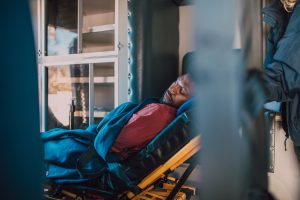
About 12 hours after her first surgery, Orlet’s care team asked her to stand. She had not stood on her own for what she remembered as a week. With her mother beside her, she stood and thought that if she could manage that moment, she could play volleyball again.
Her recovery involved relearning stairs and showering and finding new ways to move while she could not bend much. Her first game back came less than a year after surgery, following a gradual return to practice. Diving for a ball frightened her at first, but she said she always believed she would return.
About 11 months after diagnosis, the cancer returned and had spread to her lungs. A biopsy confirmed it was the same type, with a makeup similar to sarcoma. Orlet began chemotherapy once a week. Because of its toll on her body, her team spaced treatment to once a month, a schedule she continued for about five years.
After difficult side effects from monthly treatment, she visited The University of Texas MD Anderson Cancer Center in January to review her scans. She and her care team decided to trial giving the drug causing the side effects once every three months. She still goes in monthly for other care, and her scans have looked good.
Orlet was 15 when weekly chemotherapy began, during club qualifier season. Her doctors explained the risks of playing during treatment, but said she could continue if her body could handle it. She chose to keep playing because the sport supported her quality of life. She attended high school, traveled about an hour to practices and tournaments, and managed treatment side effects, often ending the day exhausted.
In 2024, she needed an unexpected reconstruction surgery. Her parents told her she did not have to play in college if it was no longer her dream. Orlet said she wanted to pursue college sports and experience that level of competition, as she had planned before cancer.
Honesty With Coaches and Family
Orlet said some coaches struggled to know how to handle her situation because they had not faced it before. She built trust by explaining what she was going through and being honest about how she felt each day. She and her college coach now talk often about her condition and his concerns.
She also urges young athletes to stay present rather than live only for the day they return. During recovery, she sometimes counted down to her comeback and tried to move forward before she was ready. Now she encourages young people to feel difficult emotions, reach out to others and explore identities beyond sports.
Orlet remembers people who contacted her after diagnosis and surgery. She said her experience taught her to look after the people in her life. She also encourages parents to recognize that children understand how illness affects the family and to communicate honestly with them.
Readers can find related coverage of community support for cancer research, research into a cancer treatment avenue and health innovation projects.
Read Orlet’s account of treatment in CURE.